

The U.S. economy is currently experiencing a period of moderate growth, with the International Monetary Fund (IMF) projecting a 2.4% increase in gross domestic product (GDP) for the fourth quarter of 2026. This marks an improvement from the 2.2% growth observed in the previous year. The unemployment rate is also expected to decline, reaching 4.1% by the end of 2026, down from 4.5% in late 2025.
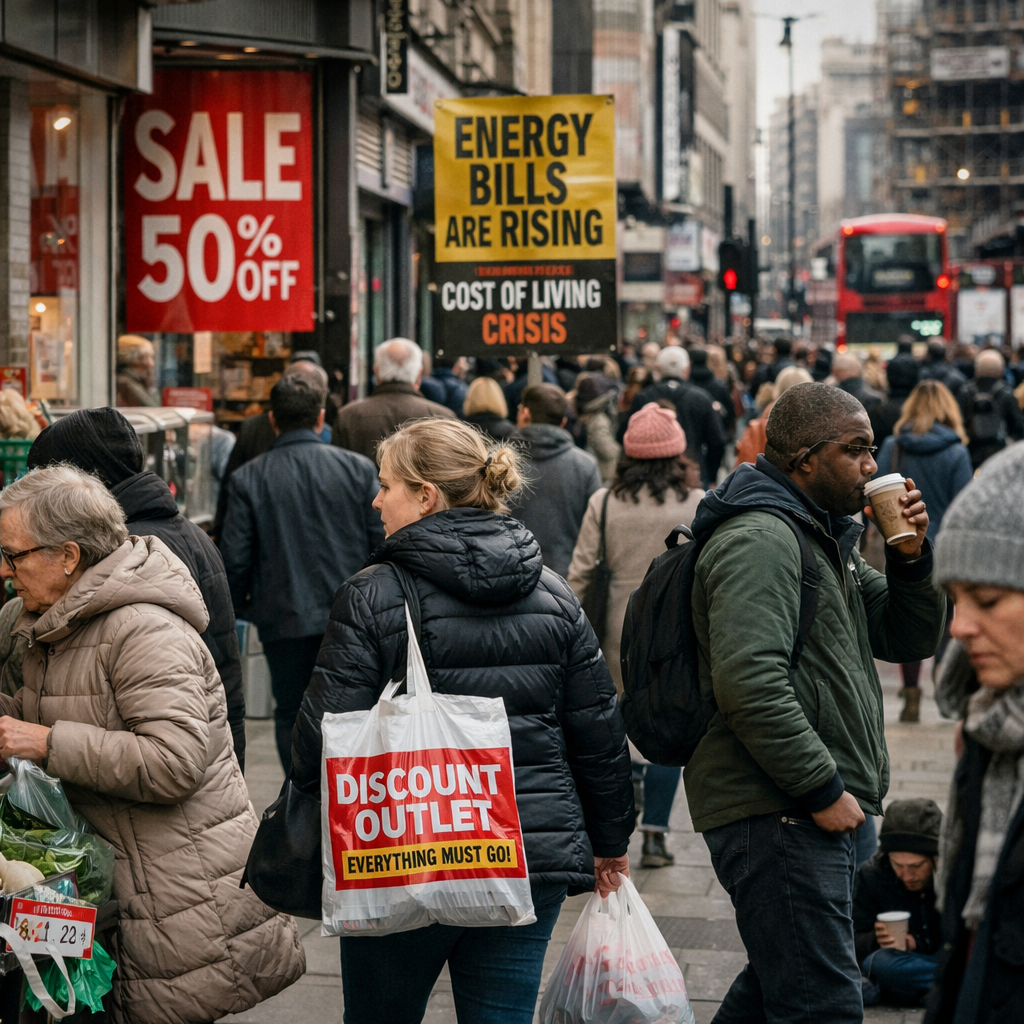
However, the IMF has raised concerns about the nation’s rising federal budget deficits, which pose potential risks to economic stability. Additionally, the ongoing conflict in the Middle East has led to a surge in oil and gas prices, contributing to inflationary pressures. As a result, consumers are facing higher costs for fuel and other goods, impacting household budgets across the country.
In response to these challenges, the Federal Reserve has maintained its benchmark interest rate at 3.6%, with plans to gradually reduce it to around 3.4% by 2027. This cautious approach aims to balance the need for economic growth with the imperative to control inflation.
For residents of Springfield, Missouri, these national economic trends have tangible local implications. The rise in fuel prices affects commuting costs, while inflation can influence the affordability of goods and services in our community. Staying informed about these developments is essential for making sound financial decisions in the current economic climate.