

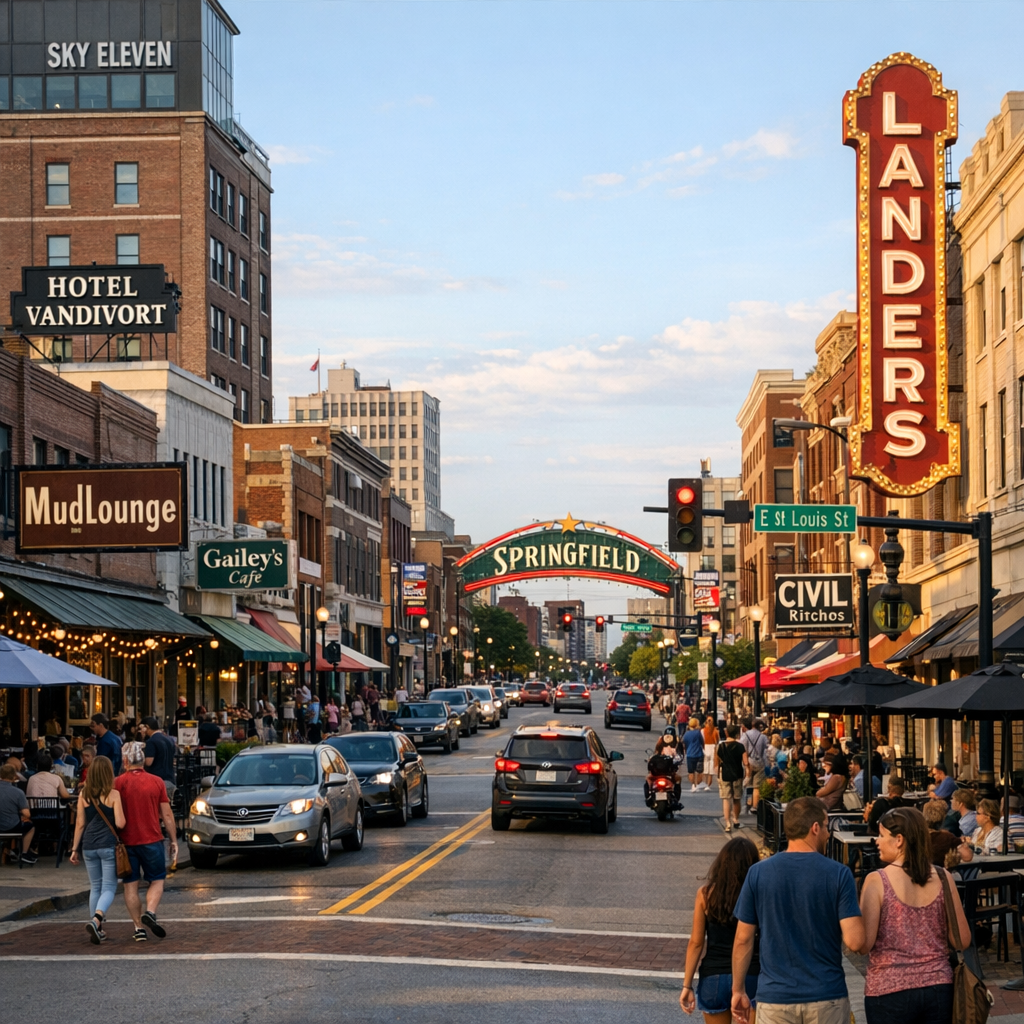
Springfield, Missouri, has experienced significant economic growth over the past decade, solidifying its position as a key business and innovation hub in the region. With a diversified economy and strategic location, the city continues to attract businesses and foster a thriving community.
Economic Growth and Population Trends
As of 2024, Springfield’s Gross Domestic Product (GDP) reached $29.3 billion, reflecting a 73% increase over the past ten years. The metropolitan statistical area (MSA) officially crossed the 500,000 population milestone in 2025, marking an 11% growth over the last decade. Greene County, encompassing Springfield, has grown by over 10% since 2011, while neighboring Christian County expanded by 16%, highlighting the region’s appeal and sustained growth.
Key Industries Driving the Economy
Several industries play pivotal roles in Springfield’s economic success:
- Healthcare and Social Assistance: Employing over 48,000 individuals and contributing $4.4 billion to the regional GDP, this sector remains a cornerstone of the local economy.
- Manufacturing: With more than 18,000 employees, manufacturing adds $2.7 billion to the economy. Notably, Springfield has been recognized as one of the nation’s top hubs for food manufacturing, ranking in the Top 25 nationally and Top 5 in the West North Central region.
- Education, Logistics, Professional Services, Retail, and Tourism: These sectors further diversify and strengthen Springfield’s economic landscape.
Workforce Development and Employment
Springfield’s unemployment rate stood at 4.0% as of February 2026. The labor force participation has grown by 9.8% over the past decade, supported by institutions like Missouri State University and Ozarks Technical Community College, which provide a steady stream of skilled labor.
In a significant move to bolster workforce development, Paul Mueller Company and Springfield Public Schools announced a Welding and Grinding Registered Youth Apprenticeship partnership in February 2026. This initiative creates a direct bridge between classroom instruction and paid industry experience, marking a significant step forward for advanced manufacturing workforce development in Missouri.
Business Climate and Investments
Springfield offers a business-friendly environment characterized by competitive costs and a centralized location ideal for distribution and logistics. Ongoing investments in infrastructure, commercial development, and public-private partnerships further enhance the city’s appeal to businesses.
Recent developments include the relocation of Keep Supply, a distributor and supplier of commercial refrigeration parts, to downtown Springfield. This move allows the company to expand its workforce by approximately 100 employees over the next several years. Additionally, the sale of a 77,000-square-foot office building at 3737 E. Battlefield Road is expected to bring 400 jobs to the city, showcasing Springfield’s capacity to attract significant business investments.
Housing Market Trends
The Springfield housing market remains competitive. In March 2026, the median sale price of a home was $190,000, a 5.0% decrease compared to the previous year. Homes typically sell after 31 days on the market, indicating a steady demand in the housing sector.
Overall, Springfield’s economic landscape reflects a dynamic and resilient community, poised for continued growth and prosperity in the years to come.